
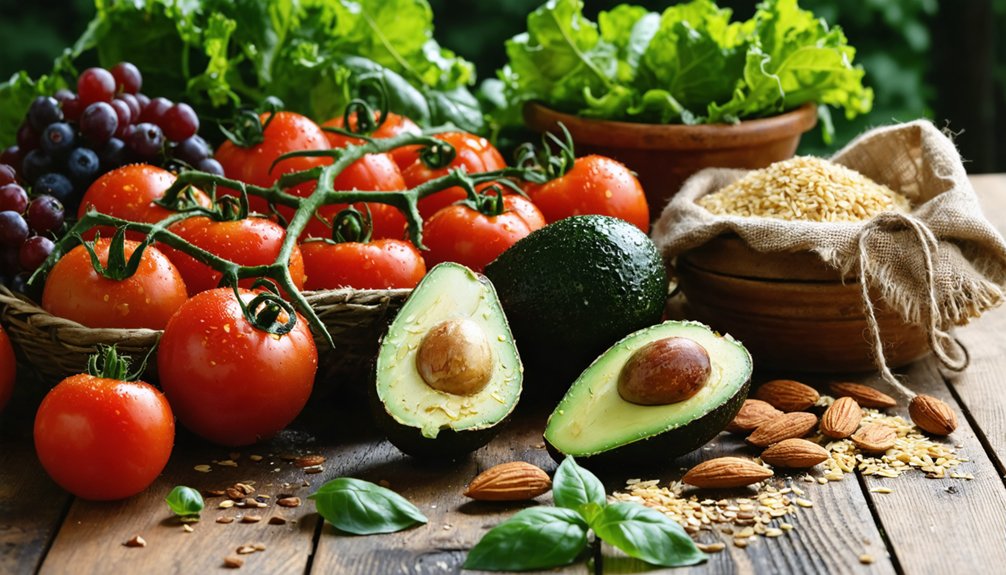

You’re choosing whole foods because they deliver higher nutrient density, less processing, and clear links to better long-term health. Perishables and local sourcing boost diet quality, reduce emissions, and strengthen community trust. Whole Foods’ assortment and small-format stores make fresh, organic options convenient for urban shoppers, while supplements and personalized nutrition fill specific gaps. Price and access still shape choices, so targeted assortments and messaging matter — keep going to see practical strategies and category wins.
Key Takeaways
- Whole foods drive better health outcomes by emphasizing nutrient-dense, minimally processed ingredients that support preventive nutrition and chronic disease risk reduction.
- Consumer demand for organic, local, and transparent sourcing fuels trust, premium positioning, and repeat purchases among Millennials and Gen X.
- Whole foods enable functional eating trends—high-protein, gut-supporting, and texture-forward formats—that meet modern lifestyle and dietary goals.
- Local supply chains and bulk offerings reduce emissions, waste, and costs while expanding seasonal variety and community-connected storytelling.
- Retail models (Daily Shop, small-format stores) increase access and trip frequency, lowering barriers to healthier perishable choices in urban markets.
Why Whole Foods Aligns With Today’s Health-Conscious Consumers
Look to the data and it’s clear why Whole Foods fits today’s health-focused shopper: rising organic preference (62% of U.S. consumers), expanding store footprint (over 600 locations and a growing 4% grocery share), and strategic moves like the Daily Shop that meet demand for convenient, high-quality essentials.
You’ll find whole foods prioritized for their transparency and protein-forward options, matching the clean label and functional nutrition trends you care about.
That emphasis on nutrient density—from animal proteins to fermented sourdough and fortified staples—answers your need for tangible health benefits like gut and immune support.
As Whole Foods scales into new regions and shifts promotions, you’ll feel included in a community choosing accessible, evidence-based choices without sacrificing quality.
570 stores support a wide U.S. presence that underpins these trends. In addition, many consumers are also drawn to products offering plant-forward proteins that align with evolving dietary preferences.
Consumers increasingly seek foods that support the microbiome, with nearly 3 in 5 U.S. consumers actively looking for gut-friendly options.
The Role of Perishables in Shaping Dietary Choices
Because perishables carry higher costs and logistical burdens, they’ve become a decisive factor in what people actually eat.
You face clear price and access signals: healthier perishables cost roughly 60¢ per serving versus 31¢ for unhealthy packaged items, and each 14% rise in that ratio cuts odds of a healthy diet by 24%.
Supply-side price distortions explain a third of the fruit-and-vegetable gap, and low-income areas see lower purchases and higher local prices.
You respond to cost more than proximity—especially if you rely on assistance programs—so seasonal affordability and targeted storage innovations matter.
Policy and retail shifts that lower perishable costs and improve last-mile logistics will let you choose whole foods without sacrificing belonging or budget. About 90% of households usually shop at a supermarket or supercenter, regardless of assistance participation or food security.
Recent research showed that healthier perishable foods are nearly twice as expensive per serving as unhealthy packaged foods, costing about 0.60 vs. 0.31 dollars per serving.
Vitamins, Supplements, and the Rise of Preventive Nutrition
As preventive care reshapes how people manage health, vitamins and supplements have moved from niche conveniences to central tools you’re increasingly using to reduce long-term disease risk. You’re seeing a market surge—U.S. supplement sales and a $1.8T health-food outlook—that reflects real consumer shifts toward prevention. Evidence shows many link diet to longevity, and about one in five now call supplements essential. You can access personalized supplementation through at-home tests, AI-driven plans, and wearables that tune preventive formulations to your genetics and microbiome. Key categories—probiotics, plant-based blends, immunity and anti-inflammatory complexes—align with life-stage needs from prenatal care to aging. This isn’t faddish; it’s a community-driven move toward measurable, individualized health stewardship. The market is substantial, valued at approximately USD 104.52 billion in 2024. Personalized nutrition is expanding rapidly as DNA, microbiome, and blood-biomarker data enable tailored supplement strategies. This shift is also driven by growing interest in addressing cellular aging through targeted nutritional approaches.
How Local Sourcing Influences Meal Planning and Sustainability
When you plan meals around locally sourced ingredients, you’re tapping a supply chain that’s intentionally designed to sync with seasonal harvests, reduce emissions, and strengthen regional economies.
You’ll find about 500–800 local items per store within a 200-mile radius, enabling monthly seasonal rotations and regional recipes that reflect harvest calendars.
Local supplychains supported by 3,500 partner suppliers and producer loans ($25M to 800+ producers) expand protein and produce options, while bulk sections (200–300 items, 70% organic) cut packaging waste.
Transparent labeling, buyer farm visits, and regional storytelling build trust and community belonging.
These hyperlocal networks cut transport emissions, preserve crop diversity, and generate roughly 15% revenue in strong markets, so your meal planning becomes both sustainable and regionally rooted.
Whole Foods also leverages its national scale to support these local efforts while maintaining a high gross margin, demonstrating a blend of local sourcing and strong financial performance 34.5% gross margin.
Small-Format Stores and Urban Eating Habits
Step into a Daily Shop and you’ll see how smaller footprints reshape urban eating habits: by matching denser neighborhoods’ demand for quick, frequent trips, these 7,000–14,000 sq ft stores deliver core groceries, prepared foods, and over 350 local products without sacrificing price or quality.
You’ll notice urban convenience in shorter visits and higher frequency—trends showing 11% more trips vs. 2019 and 3.2% visit growth for stores under 30,000 sq ft.
Daily Shop’s compact design serves micro markets, captures previously unmet needs, and brought 42% new or re-engaged shoppers in Lenox Hill.
Expansion into Manhattan, Brooklyn, Hoboken and D.C. proves the model scales.
You benefit from neighborhood relevance, faster openings, and a true local grocery option that fits your city life.
Affordability, Accessibility, and Changing Shopper Demographics
Daily Shop’s success in dense neighborhoods highlights a persistent challenge: making premium, organic offerings affordable and accessible to a broader shopper base.
You’ll recognize that current demographics — mostly ages 25–39 with incomes above $75k and stores concentrated in top metros — shape price perceptions and limit reach.
Still, 62% of consumers now prefer organic, and planned Midwest and Southeast expansion targets areas meeting income and density thresholds to improve accessibility.
You’ll appreciate that 77% future purchase intent and a 54% Promoter rate show loyalty despite pricing concerns; NPS and detractor data signal where value messaging must improve.
Adjusting assortments, communicating savings, and tracking shopping frequency will help you foster inclusion and broaden who benefits from whole foods.
Category Performance: What Sells and Why It Matters for Diet Trends
Look to category performance to understand which innovations are shaping everyday diets and why shoppers are buying them. You’ll see sales drivers in fusion snacks, protein-enhanced staples, functional beverages, crunch-forward treats, and fermented options; category insights show cross-cultural flavors (bao buns, chili crisps), nutrient-forward choices (high-protein snacks, protein oats), and purpose-driven drinks (hydration, probiotics, sleep shots).
These patterns tell you consumers want novelty that delivers tangible benefits: texture, protein density, gut support, and convenient global flavors. Use this evidence-based view to recognize what resonates with diverse shoppers who seek both identity and wellbeing. That clarity helps you anticipate demand, prioritize assortments, and connect products to real lifestyle needs without guessing.
Strategies for Brands to Tap Into Whole Foods Shoppers
Target Whole Foods shoppers by aligning product, placement, and messaging with clear demographic and behavioral signals: prioritize premium organic and locally sourced positioning for the 25–39 and Gen X households who drive spending, build digital-first experiences that appeal to Millennials and Gen Z’s platform preferences, and focus distribution in urban and high-income markets that meet Whole Foods’ store-level thresholds.
You should emphasize organic certifications, local sourcing, and ethical production to match shopper motivations, and offer tiered SKUs for frequent, occasional, and seasonal buyers.
Invest in mobile-optimized social campaigns and platform-native content for younger cohorts. Pilot subscription models and integrate loyalty programs to boost repeat purchases and lifetime value.
Select high-traffic stores and supplement categories to lift average basket above the $42.69 benchmark.
References
- https://www.xmap.ai/blog/whole-foods-market-stores-are-in-the-united-states
- https://www.wholefoodsmagazine.com/articles/17439-2025-47th-annual-wholefoods-magazine-retailer-survey
- https://www.businessinsider.com/amazon-big-grocery-reorg-leaders-integrate-whole-foods-2025-6
- https://www.ibisworld.com/united-states/company/whole-foods-market-inc/406692/
- https://www.statista.com/topics/2261/whole-foods-market/
- https://www.grocerydive.com/news/mapping-whole-foods-growth-across-united-states-small-formats/712489/
- https://www.foodnavigator-usa.com/Article/2025/09/19/whole-foods-market-shoppers-are-changing-here-is-what-it-means-for-brands/
- https://www.scrapehero.com/location-reports/Whole Foods Market-USA/
- https://www.emarketer.com/topics/category/whole foods market daily shop
- https://www.actowizsolutions.com/whole-foods-store-analysis.php